HEALING HAPPENS IN COMMUNITY
Expanding access to life-saving treatment across Seattle and King County.
OVERVIEW
Why It Matters
In 2024, drug overdoses claimed 1,044 lives in King County; yet treatment still remains out of reach for most. The need for expanded, low-barrier care has never been more urgent.
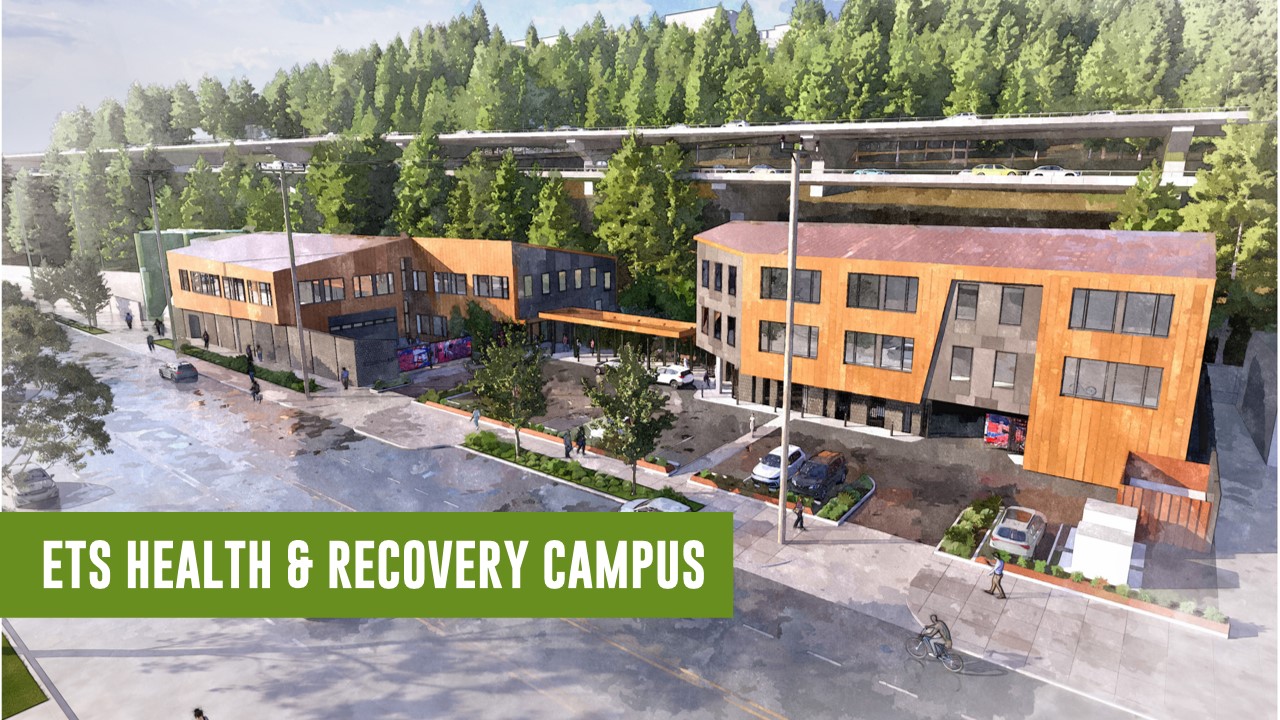
By expanding access and bringing treatment, primary care, and mental health services together, the Health & Recovery campus will help more people receive the care they need, reduce overdose emergences and reliance on crisis services, while supporting a healthier, safer community.
Impact
Expanded care: ETS will be able to serve nearly three times more people in Seattle.
Life-saving treatment: Medications for opioid use disorder reduce overdose mortality by more than 50%.
Fewer acute care events: Patients receiving these medications experience 26–32% fewer serious opioid-related acute care events.
Integrated care model delivering system cost savings: Reduces emergency department use by an additional ~14%.
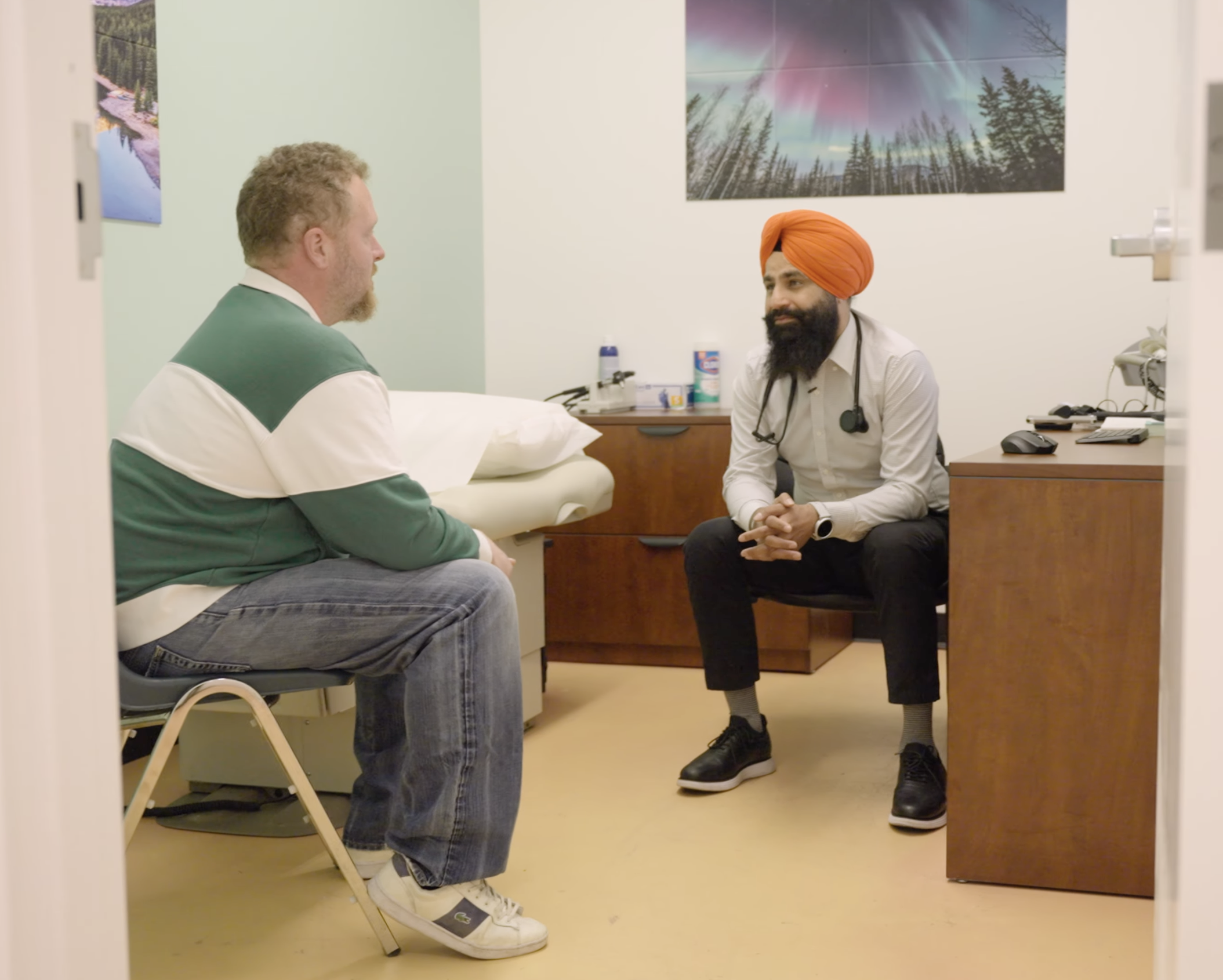
Meeting people where they are: Delivering low-barrier, mobile and place-based treatment.
With philanthropic support, we can take meaningful steps to address the most urgent behavioral health crises in our community while always respecting and upholding the dignity of the people we serve. To learn more, please contact Tavia Rhodes, VP of Philanthropy & Communications at 206.383.9174 or trhodes@evergreentreatment.org.
PROJECT UPDATES
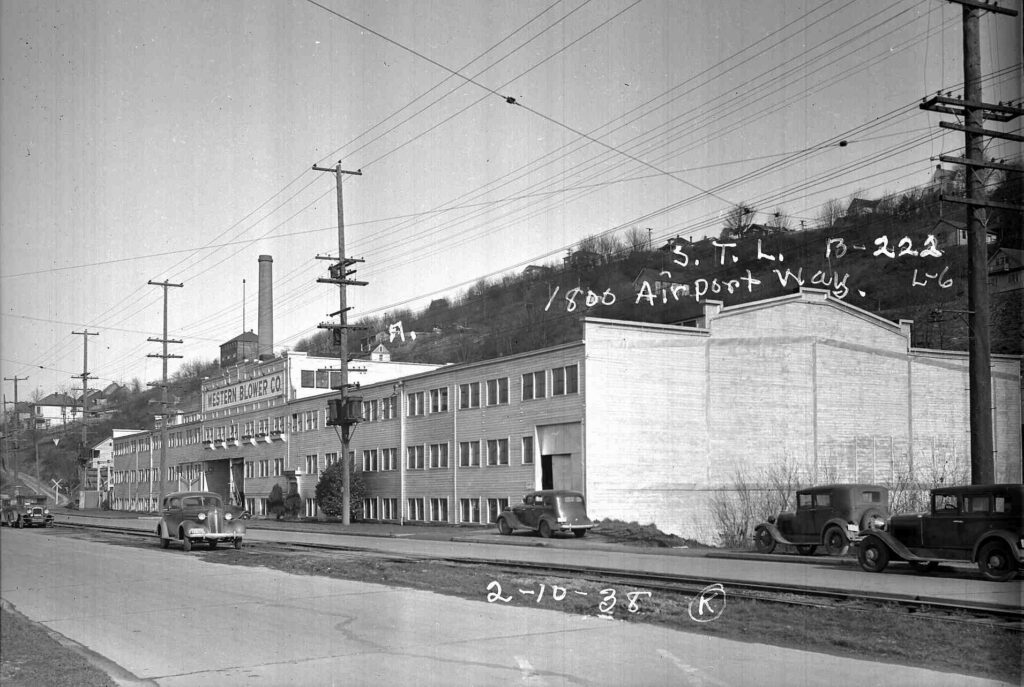
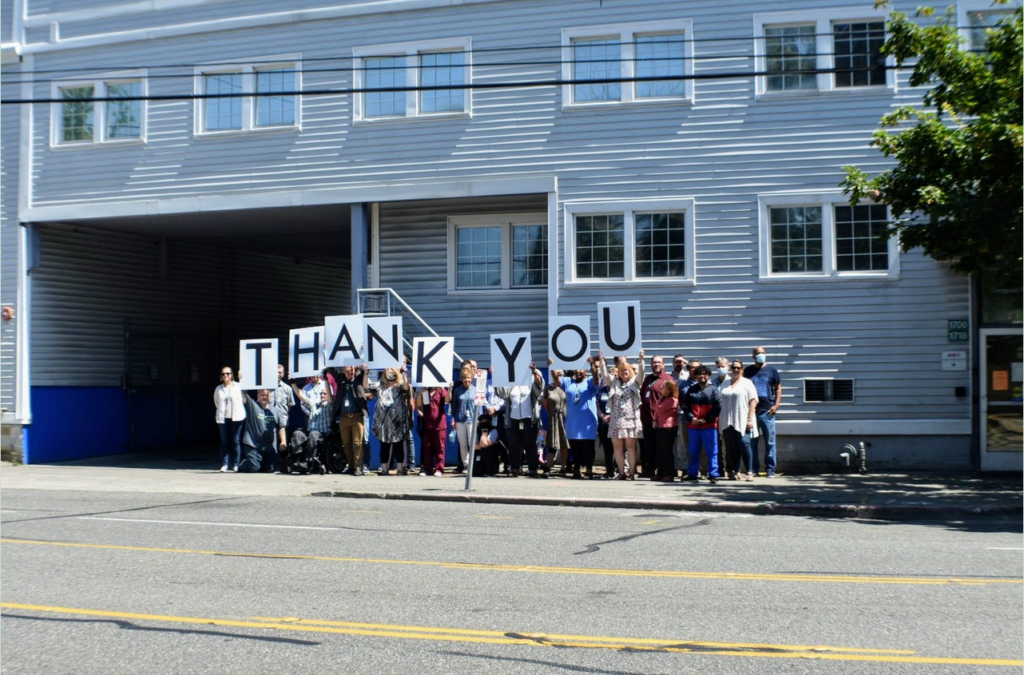
For 29 years, Evergreen Treatment Services has cared for people at our Seattle Clinic at 1700 Airport Way S. In December 2025, we moved those services to a temporary site in Georgetown so we could prepare this property for its next chapter as a Health & Recovery Campus.
Our contractor, Rivers Edge Environmental Services, is currently prepping the site by removing hazardous materials from the building. This work will be finished before any demolition begins and will be carried out in accordance with Washington State law and regulations. Demolition of the building is scheduled to begin in December 2026 and estimated to run through February 2027. Crews will then pause and return in July and August 2027 to remove the remaining pavement and concrete. These dates depend on pending federal approvals, and we will share updates if they change. No participant services will take place at this location during demolition or construction.
Crews will work Monday through Friday, 8 a.m. to 5 p.m., with no weekend or holiday work. The loudest stretch will come while the building and its foundations come down, when you can expect grinding and jackhammering. To keep dust down, crews will wet debris as they work and sweep the site entrances, so dirt stays off the street.
Trucks will use the site’s north and center entrances and head south on Airport Way S. to disposal and recycling sites. We expect multiple truck trips a day. Trucks will be staggered, will not wait or stage on nearby streets, and will not use engine brakes. The sidewalk in front of the site will close during work hours, with pedestrians detouring around it, and reopen evenings and weekends. No traffic lanes, bike lanes, or bus stops will close. We know SODO runs on deliveries, loading zones, and steady access for customers and crews. If your business has access needs or a delivery schedule we should plan around, please tell us before work begins.
If you have a question or concern about the work, contact Clayton Mullendore, Superintendent at Rivers Edge, at 206-455-4849 or cmullendore@rivers.city. Clayton answers calls during work hours, and messages left after hours will be returned the next business day.
Once the site is clear, we are expecting construction on ETS’s new Health & Recovery Campus to start fall 2027 and continue approximately 14 months. The first building is expected to open early 2029.
The project is supported by the City of Seattle, Washington State, a federal appropriation, as well as private donors.